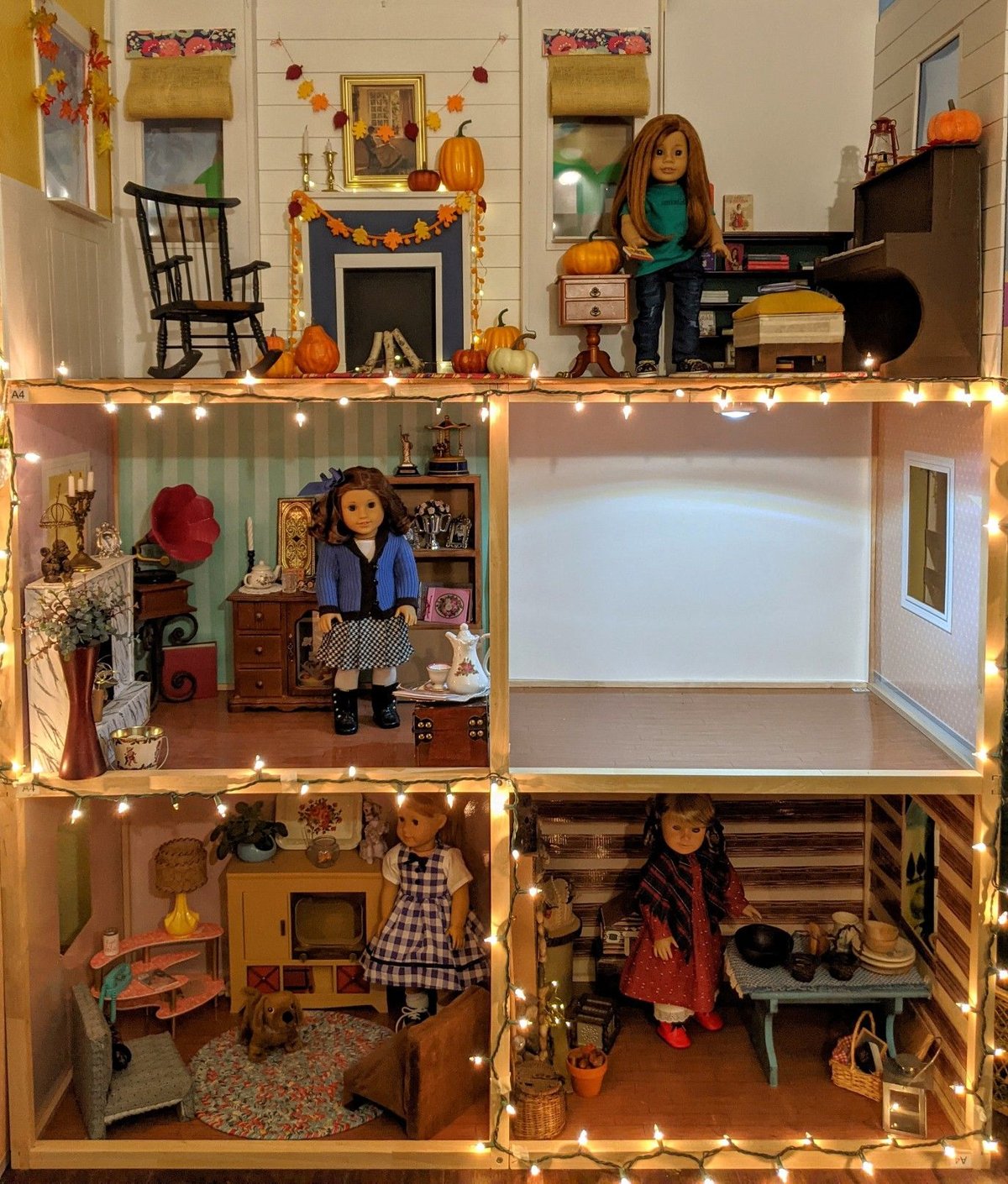
Anyone who's witnessed the sheer joy of an Our Generation doll play session knows it often comes with a generous side of glorious chaos. From a sprawling equestrian stable to a bustling bakery, these immersive worlds, while endlessly imaginative, can quickly consume a playroom or bedroom. If you're tired of tripping over miniature teacups or searching for that one missing doll shoe, it’s time to tackle Our Generation dollhouse storage & organization head-on. It’s not just about tidiness; it’s about preserving those precious playtime memories and making future adventures even more accessible.
This isn’t about rigid rules that stifle creativity. Instead, think of it as creating a smart, flexible framework that supports more play, less stress, and an easier clean-up. We’re going to explore practical, human-first strategies to reclaim your space, keep those beloved dolls and their myriad accessories in order, and ensure your kids can dive into their imaginative worlds without a scavenger hunt first.
At a Glance: Key Takeaways for OG Doll Organization
- Categorize, Categorize, Categorize: Group like items together (dolls, clothes, furniture, tiny accessories).
- Embrace Vertical Space: Walls and tall shelving are your best friends for maximizing storage without sacrificing floor area.
- Clear Bins for Tiny Treasures: See-through containers help kids quickly find what they need, reducing frustration.
- Label Everything: Simple, clear labels (pictures for pre-readers) empower kids to participate in clean-up.
- Integrate Storage with Play: Make organization part of the game, not a chore.
- Start Small, Stay Consistent: You don't need a full overhaul overnight. Tackle one area at a time and maintain the system.
Why the Our Generation Collection Demands a Smart Strategy
Our Generation dolls, their detailed Our Generation doll houses, and their vast array of accessories are unique. Unlike smaller doll lines, OG dolls are a substantial 18 inches, mirroring the scale of American Girl dolls. This means their clothing, furniture, vehicles, and even horses are proportionately large. You're not just storing a doll; you're storing an entire miniature lifestyle.
This scale, while fantastic for imaginative play, presents distinct storage challenges:
- Volume of "Stuff": A single doll can have multiple outfits, shoes, accessories (glasses, bags, jewelry). Multiply that by several dolls, and you've got a small boutique.
- Varied Sizes: From a life-sized horse to a tiny teacup, the range of item sizes makes a one-size-fits-all storage solution ineffective.
- Intricate Details: Many accessories are tiny and easily lost – think food items, pet accessories, school supplies. These pieces are crucial for imaginative play but can disappear into the abyss of a toy bin.
- Display vs. Storage: Many Our Generation items, especially the larger furniture pieces or vehicles, are also part of the play environment. You want solutions that allow for both easy access and tidy put-away.
- Growth of the Collection: These collections tend to grow. A good storage system needs to be flexible and expandable.
Without a thoughtful system, play areas can quickly devolve into a chaotic landscape of plastic and fabric, leading to frustration for kids who can't find their favorite pieces, and for parents who are constantly decluttering. The goal here is to create a peaceful coexistence between the vibrant world of Our Generation and the need for a functional, tidy home.
The Foundation: Decluttering Before Organizing
Before you buy a single bin or shelf, take a critical look at what you’re actually storing. Organizing clutter just creates organized clutter.
- Involve Your Child (Age Appropriately): For younger children, this might mean guiding them to choose their absolute favorites. For older kids, empower them to make decisions about what they truly play with.
- Sort into Piles:
- Keep: Items frequently played with, cherished, or that complete a set.
- Store: Items not currently in heavy rotation but that hold sentimental value or are part of a larger collection your child might return to. These can go into long-term storage (attic, garage).
- Donate/Sell: Items outgrown, broken beyond repair, or no longer bringing joy. Be ruthless here.
- Discard: Broken, irreparable items.
- Repair What You Can: A loose limb or a missing button might be an easy fix that saves an item from the "discard" pile.
- Consider Duplicates: Do you really need three identical doll hairbrushes?
This initial decluttering step is perhaps the most crucial. It lightens the load and makes the subsequent organization much more manageable and effective.
Strategic Storage Zones: Thinking Beyond the Toy Box
Effective Our Generation dollhouse storage & organization requires a multi-faceted approach. You'll likely need a combination of solutions tailored to different types of items. Think about creating distinct zones for specific categories.
1. Vertical Power: Shelving Units and Cube Organizers
When floor space is at a premium (and when isn't it?), look up. Vertical storage is incredibly efficient and can often integrate seamlessly into existing room decor.
- Cube Organizers (e.g., IKEA Kallax or similar brands): These are a perennial favorite for a reason. Their sturdy, square compartments are perfectly sized for many Our Generation items.
- Pros: Versatile, can be horizontal or vertical, can add doors/drawers, often budget-friendly.
- Use Cases:
- Individual Doll Homes: Each cube can become a "room" for a doll, complete with a few key accessories.
- Furniture Garages: Larger items like beds, dressers, or vehicle accessories can reside in their own cube.
- Accessory Zones: Combine with fabric bins or clear containers for clothing, shoes, or smaller items.
- Adjustable Shelving Units: Traditional bookcases or utility shelves offer flexibility as your collection evolves.
- Pros: Shelves can be moved to accommodate varying heights of dollhouses, furniture, or stacked bins.
- Use Cases:
- Doll Display: Let dolls "sit" on shelves, ready for play.
- Stacked Bins: Fill shelves with a variety of labeled bins, creating a modular system.
- Combined Play/Storage: Dedicate lower shelves for actively played-with items and higher shelves for less frequently used or display-only pieces.
- Wall-Mounted Shelves: For small, curated displays or specific categories of items (like a row of doll shoes).
- Pros: Keeps items off the floor, adds visual interest.
- Considerations: Needs secure installation, best for lighter items or display.
Pro Tip: Always anchor tall shelving units to the wall for safety, especially in children's rooms.
2. Drawer Systems: Containing the Tiny Treasures
For all those small, easily lost accessories that are essential to Our Generation play, drawer systems are a godsend.
- Clear Plastic Drawer Units (e.g., Sterilite, Akro-Mils): These multi-drawer units are fantastic because you can see what’s inside without opening every drawer. They come in various sizes, from desktop mini-drawers for tiny bits to larger rolling carts.
- Pros: Visibility, keeps dust out, stackable, portable (if on wheels).
- Use Cases:
- Clothing & Accessories: Dedicate drawers to specific outfit types (party, pajamas, outdoor) or accessory categories (shoes, hats, jewelry).
- Food & Kitchen Items: All those miniature cupcakes, plates, and utensils can get their own homes.
- School Supplies: Books, pencils, notebooks.
- Pet Accessories: Leashes, bowls, toys.
- Fabric Drawer Bins for Cube Organizers: These slide perfectly into cube units, offering a soft-sided, often decorative solution for clothing or larger, less delicate items.
- Pros: Visually appealing, hide clutter, easy for kids to pull out.
- Use Cases: Main doll outfits, larger doll furniture pieces, doll bedding.
- Rolling Carts (e.g., IKEA RÅSKOG): These three-tiered carts are incredibly versatile and portable. They can be rolled to the play area and then tucked away when not in use.
- Pros: Mobile, compact footprint, easily accessible.
- Use Cases: Active play items, "current" outfits, craft supplies for doll customization, general overflow.
Labeling is Non-Negotiable Here: Whether you use a label maker, handwritten tags, or picture labels (especially for pre-readers), clearly marking each drawer or bin helps both kids and adults maintain the system.
3. Creative & DIY Solutions: Thinking Outside the Box
Sometimes the best solutions are those you create or repurpose.
- Repurposed Furniture: An old dresser can become a fantastic storage unit. Remove some drawers, add shelves, or simply dedicate each drawer to a category of doll items. A vintage armoire could become a doll closet.
- Under-Bed Storage: For larger items that don’t need constant access, or for seasonal accessories (like a winter sleigh), shallow, clear bins on wheels that slide under the bed are excellent.
- Pros: Maximizes often-unused space, keeps things out of sight.
- Considerations: Requires good organization within the bins to avoid a "black hole."
- Wall-Mounted Displays/Doll Stands: Instead of hiding all the dolls, consider displaying them. Doll stands keep them upright and visible, making selection easier and adding a decorative touch. Wall-mounted racks (like those for baseball bats or skateboards) could even hold doll horses or vehicles.
- Pegboards: A pegboard on the wall with various hooks, small baskets, and shelves can be customized to hold a surprising amount of doll accessories, especially clothing and smaller items.
- Pros: Highly customizable, visual, keeps items accessible.
- Considerations: Can look cluttered if not curated, requires wall space.
4. Portable & On-the-Go: Keeping Adventures Contained
For play dates, travel, or simply moving items from room to room, portable storage is a lifesaver.
- Large Totes/Bins with Lids: Essential for general storage, especially if you have a massive collection or need to move items between rooms.
- Pros: Protects contents, stackable.
- Considerations: Can become a "dumping ground" if not regularly sorted. Clear plastic is best.
- Dedicated Doll Carriers/Travel Cases: Many brands offer soft-sided doll carriers specifically designed for 18-inch dolls, often with pockets for outfits.
- Pros: Protects the doll, convenient for travel.
- Use Cases: For children who frequently take dolls to friends' houses or on trips.
- Fabric Storage Bags (e.g., laundry bags for delicates): Perfect for doll clothing to keep it clean and organized within a larger bin or drawer. Mesh bags allow visibility.
- Craft Organizers/Tackle Boxes: These multi-compartment containers are absolutely brilliant for the tiniest Our Generation accessories. Think individual slots for shoes, glasses, tiny food items, hair clips.
- Pros: Prevents tangles and loss, highly organized.
- Use Cases: For accessories that come with specific sets (e.g., bakery items, vet clinic tools).
Organizing Specific Our Generation Items
Let’s get granular. The type of item often dictates the best storage solution.
1. Dolls Themselves
- Doll Stands: The best way to display dolls and keep them upright.
- Dedicated Doll Boxes: If dolls are not actively played with, store them in their original boxes or dedicated doll storage boxes to protect hair and clothing.
- Open Shelving: Allow dolls to "sit" on shelves, perhaps with a few key accessories, making them ready for play.
2. Clothing & Accessories
This is often the biggest challenge due to sheer volume and variety.
- Mini Hangers & Doll Closets: If you have the space (or a DIY mini armoire), small hangers are adorable and effective for keeping clothes neat.
- Clear Shoe Organizers (Over-the-Door or Drawer Style): Those clear plastic pockets are perfect for separating tiny doll shoes, socks, and other small accessories.
- Divided Drawers/Bins: Use drawer dividers or small containers within larger bins to separate shirts, pants, dresses, and underwear.
- Small Fabric Bags: For lingerie, tights, or delicate items that might get snagged.
- Hat Boxes: Smaller decorative boxes can be charming for doll hats and larger hair accessories.
3. Tiny Bits: Food, Books, Pet Accessories, Jewelry
These are the items most prone to disappearing.
- Craft Organizers with Adjustable Dividers: As mentioned, tackle boxes or bead organizers are gold. Each tiny compartment can hold a specific type of item.
- Small Ziplock Bags within Larger Bins: For a slightly less granular approach, group similar tiny items into small, clear bags, then place those bags into a larger, labeled bin.
- Magnetic Strips: For tiny metal items like keys or specific jewelry, a magnetic strip mounted inside a cupboard or drawer can keep them visible and secure.
4. Furniture, Vehicles, Horses, & Larger Playsets
These are bulky and often central to play.
- Designated Shelf Zones: Allocate specific shelves or cube compartments for each large item.
- Large Clear Totes: For items that are stored away when not in use, large, lidded clear totes are ideal. Label them clearly: "Bakery Set," "Horse Stable," "Dollhouse Furniture."
- Open Bins/Baskets: For items that are frequently accessed, large open bins can catch them quickly at clean-up time.
- Utilize the Dollhouse Itself: Many Our Generation doll houses have multiple rooms. Encourage kids to put furniture and items back into their "rooms" as part of the clean-up process. This integrates storage into play.
Making the System Stick: Maintenance and Engagement
An organization system is only as good as its maintenance. Here's how to ensure your Our Generation dollhouse storage & organization efforts last.
- Involve the Kids from Day One: If children participate in creating the system, they'll have more ownership. Explain why you’re organizing: "So it's easier to find your favorite doll's shoes!"
- Keep it Simple: Don't create overly complex systems that require multiple steps for clean-up, especially for younger children. The easier it is, the more likely they are to do it.
- Use Labels (Visuals for Younger Kids): Pictures of the items that belong in a bin or drawer are incredibly effective for pre-readers. For older kids, clear text labels work well.
- The "One In, One Out" Rule: As new Our Generation items come into the house, encourage donating or selling an equivalent old item. This prevents clutter from building up again.
- Routine Clean-Up: Dedicate 5-10 minutes each day to tidying up the Our Generation zone. Make it a game or part of the bedtime routine.
- Regular Decluttering (Annual or Biannual): Revisit step one once or twice a year. Collections change, interests shift, and items break. A quick refresh keeps the system optimized.
- Flexibility is Key: If a system isn't working, don't be afraid to tweak it. Maybe a bin is too big, or a category isn't logical for your child. Observe how they play and adapt.
Common Pitfalls to Avoid
Even with the best intentions, some mistakes can sabotage your organization efforts.
- Overstuffing Bins: A bin that's overflowing isn't organized; it's just a lidded mess. It also makes it harder for kids to put things away neatly.
- No Labels (or Vague Labels): "Doll Stuff" isn't helpful. "Doll Shoes," "Bakery Set," "Casual Outfits" are.
- Buying Too Much Storage Too Soon: You might end up with empty bins taking up space, or the wrong type of storage for your needs. Declutter first, then assess what you actually need.
- Ignoring Play Patterns: If your child loves to build elaborate scenes and rarely puts items away mid-play, a system that demands constant breakdown and put-away will fail. Designate a "current play area" that can be contained, or focus on containing pieces for after the session.
- Setting Unrealistic Expectations: Expecting a perfectly pristine playroom 24/7 is a recipe for frustration. The goal is manageable tidiness, not museum-level perfection.
Beyond the Basics: Integrating Aesthetics and Safety
Organization doesn't have to mean sterile plastic bins. Your system can contribute to the room's overall aesthetic and, crucially, its safety.
- Color-Coordinated Bins/Drawers: Choose storage that complements the room's decor. Fabric bins come in a huge array of colors and patterns.
- Display as Decor: Well-arranged doll collections or a beautifully set up miniature scene on a shelf can be a delightful part of the room's design.
- Secure Heavy Furniture: Any tall shelving unit, bookcase, or drawer system in a child's room must be anchored to the wall to prevent tipping. This is non-negotiable for safety.
- Non-Toxic Materials: When choosing new storage, especially for items that kids handle frequently, opt for non-toxic, durable materials.
- Accessibility: Ensure shelves and drawers are at a height that your child can comfortably reach, empowering them to take responsibility for their toys.
An Actionable Path to a Tidy Our Generation World
Transforming a cluttered play area into an organized, functional space for Our Generation dolls and accessories might seem like a monumental task, but you don't have to conquer it all at once. Start small. Pick one category – maybe the doll clothes, or just the tiny food accessories – and apply one of the strategies we've discussed.
Once you see the immediate benefit of a clear, labeled bin for doll shoes, you'll feel empowered to tackle the next area. Remember, the ultimate goal isn't just about a tidy room; it's about fostering creativity, encouraging independence in clean-up, and creating a more enjoyable play experience for your child (and a less stressful one for you!).
By investing a little time and thought into a smart Our Generation dollhouse storage & organization system, you’re not just putting away toys; you’re setting the stage for countless new adventures. Happy organizing, and may your playrooms be ever so slightly neater!