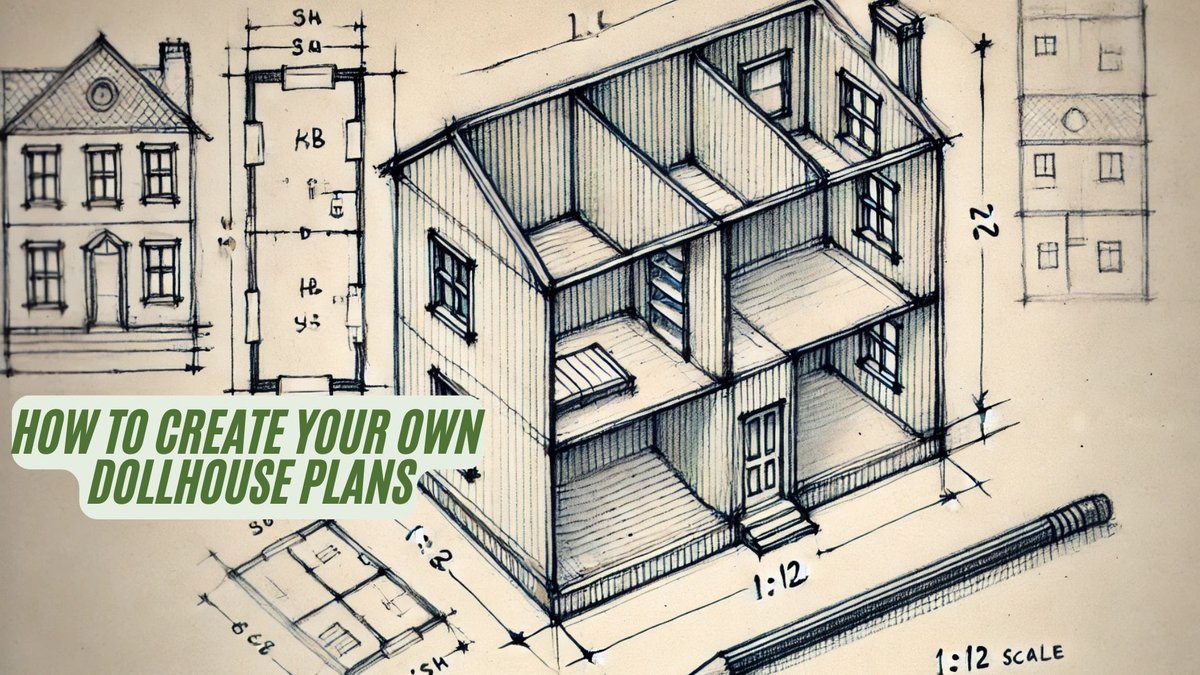
The joy of an Our Generation dollhouse doesn't have to stop at its store-bought charm. In fact, that's often just the beginning. The real magic happens when you dive into the world of Customization & DIY for Our Generation Dollhouses, transforming a beloved toy into a unique reflection of imagination and personality. It’s an empowering journey, whether you're a parent guiding a child's first craft project or an adult enthusiast seeking a detailed miniature escape. This isn't just about playing house; it's about building dreams, one tiny brushstroke and carefully placed fabric swatch at a time.
At a Glance: Your Customization Journey Ahead
- Unleash Creativity: Discover how DIY projects foster imagination, problem-solving, and fine motor skills.
- Budget-Friendly Fun: Learn to repurpose everyday items and craft supplies for stunning results.
- Personalize Everything: From paint and wallpaper to handmade furniture and tiny accessories, make it uniquely yours.
- Safety First: Understand essential tips for choosing materials and supervising young crafters.
- Step-by-Step Guidance: Get practical advice on major makeovers and intricate details.
- Troubleshooting Common Issues: Avoid pitfalls and achieve polished, professional-looking results.
The Irresistible Pull of Personalization: Why DIY Your Dollhouse?
There's a special kind of satisfaction that comes from creating something with your own hands. When it comes to an Our Generation dollhouse, this urge to personalize goes beyond mere aesthetics. It's an opportunity to turn a mass-produced item into a cherished heirloom, steeped in individual stories and creative decisions.
Think about it: a child's dollhouse is often a hub of imaginative play, a stage for countless adventures. When they're involved in its design, painting the walls or helping to pick out miniature flooring, the connection deepens. It's no longer just a toy; it's their creation, a tiny world meticulously tailored to their vision. This process isn't just about the end product; it's a powerful lesson in design, patience, and the joy of bringing ideas to life.
For many, it's also about budget. High-quality dollhouse furniture and accessories can add up. DIY offers a fantastic alternative, letting you craft stunning pieces from inexpensive materials, often better tailored to your specific aesthetic than anything store-bought. It’s a rewarding way to stretch your crafting muscles and your budget simultaneously.
Laying the Groundwork: Preparing Your Miniature Canvas
Before the glitter flies and the paint pots open, a little planning goes a long way. This initial stage is crucial for ensuring your customization project is smooth, enjoyable, and yields the results you envision.
Assessing Your Our Generation Dollhouse
Our Generation dollhouses come in various styles and sizes, from open-front wooden structures to multi-level plastic mansions. Take a moment to examine your specific dollhouse. What are its existing features? What materials is it made from? Wood, MDF, and plastic each have different requirements for paint, adhesives, and structural modifications. Understanding your starting point helps you choose appropriate techniques and materials. Think about the overall footprint and how much space you have to work with when planning your design elements.
Brainstorming Themes & Visions: Your Dollhouse’s Story
Every good design starts with a vision. Do you dream of a quaint farmhouse, a modern minimalist loft, a bustling city apartment, or a whimsical fantasy cottage? Creating a mood board can be incredibly helpful. Gather images from magazines, Pinterest, or even real-life interiors that inspire you. Consider:
- Color Palettes: Soft pastels, bold primaries, serene neutrals?
- Architectural Styles: Victorian, mid-century modern, bohemian?
- Occupants: Who lives here? What are their personalities and hobbies? This often dictates furniture and accessory choices.
- Functionality: Are there specific rooms you want to create or functions you want to add (e.g., a tiny art studio, a gourmet kitchen)?
Don't be afraid to let your imagination run wild. Remember, this is your miniature world, governed by your rules.
Safety First: Protecting Little Hands and Big Ideas
When crafting with children, safety is paramount. Always prioritize non-toxic materials, especially paints, glues, and finishes. Supervise closely, particularly when using sharp tools like craft knives, scissors, or hot glue guns.
- Ventilation: Work in a well-ventilated area when painting or using strong adhesives.
- Age Appropriateness: Choose projects and materials suitable for the child's age and skill level. Many advanced techniques can be done by adults and then incorporated.
- Tool Handling: Teach proper handling of tools and always store them out of reach when not in use. You might also find helpful tips on Ensuring Safe Crafting Fun in general.
- Small Parts: Be mindful of small parts that could be choking hazards for very young children.
Transforming the Shell: Walls, Floors, and Ceilings
The biggest impact often comes from altering the fundamental structure and finishes of the dollhouse itself. These are the "bones" of your design and set the stage for everything else.
A Fresh Coat: Painting & Wallpapering Techniques
Giving the interior (and sometimes exterior) walls a new finish is perhaps the most transformative step.
- Preparation: Clean all surfaces thoroughly. If working with plastic, a light sanding with fine-grit sandpaper can help paint adhere better. For wood or MDF, a primer is always a good idea, especially if you're going for a light color over a dark base.
- Paints: Acrylic craft paints are excellent for dollhouse walls due to their wide color range, quick drying time, and easy cleanup. Small paintbrushes, foam brushes, or even cotton swabs can be used for detailed work. Apply thin, even coats for the best finish, allowing each coat to dry completely.
- Wallpapering: Miniature wallpaper can be purchased, or you can get creative. Scraps of wrapping paper, scrapbook paper, fabric swatches, or even printed patterns from online sources work beautifully.
- Adhesive: Craft glue (PVA glue) diluted slightly with water, or spray adhesive, works well.
- Application: Measure carefully, cut precisely, and apply smoothly, using a craft roller or credit card to remove air bubbles. Start from one edge and work your way across.
Adding Textures: Beyond Flat Surfaces
Don't stop at paint and paper. Texture adds depth and realism:
- Fabric Walls: Small fabric scraps can mimic upholstered walls or create unique accent walls. Use fabric glue for a strong bond.
- Faux Wood Panels: Craft sticks (popsicle sticks) or balsa wood can be cut, stained, or painted to create miniature wainscoting or wall panels.
- Brick/Stone: Textured scrapbook paper or even air-dry clay pressed into a brick pattern can create stunning exterior or interior accent walls.
Flooring That Grounds Your Design
Just like in a real home, the flooring sets the tone for each room.
- Hardwood: Craft sticks, balsa wood, or even thin strips cut from cereal boxes can be stained or painted to resemble wood planks. Arrange them in patterns like herringbone for added flair.
- Tiles: Small squares cut from cardstock, scrapbook paper, or self-adhesive vinyl tiles (available at craft stores) are perfect for kitchens and bathrooms. You can even draw "grout lines" with a fine-tip marker.
- Carpet: Fabric scraps (felt, velvet, or thin rug samples) can be cut to fit and glued down. Consider adding a miniature area rug for warmth and color.
Ceiling Creativity: Looking Up
Don't forget the "fifth wall"!
- Painted Ceilings: A simple coat of white or a complementary color can brighten a room.
- Trim & Moldings: Thin balsa wood strips or even painted craft foam can add elegant crown molding details.
- Faux Tin Tiles: Embossed scrapbook paper or textured aluminum foil (carefully pressed with a pattern) can create a vintage tin ceiling effect.
Furnishing Your Fantasy: DIY Our Generation Furniture
This is where your dollhouse truly comes to life. While Our Generation offers a fantastic range of accessories, making your own furniture allows for unparalleled customization and can be incredibly satisfying. You can discover more options for DIY Our Generation Furniture and make pieces that perfectly fit your theme.
Upcycling & Repurposing Everyday Items
Look around your home with new eyes. Many mundane items can be transformed:
- Matchboxes/Small Boxes: Stacked matchboxes can become miniature dressers with bead "knobs." Small cardboard boxes can be transformed into beds, sofas, or storage ottomans.
- Bottle Caps: Paint them for tiny side tables or stools.
- Popsicle Sticks/Craft Sticks: These are a DIYer's best friend. From beds to chairs to shelving, their versatility is endless. Glue them together, cut them, paint them.
- Spools: Empty thread spools make great little tables or bases.
- Lids: Plastic lids from containers can become serving trays or shallow basins.
Building From Scratch: Simple Designs, Big Impact
Even without a background in carpentry, you can build impressive miniature furniture using readily available materials:
- Balsa Wood: Lightweight and easy to cut with a craft knife, balsa wood is ideal for constructing chairs, tables, and cabinets. Use craft glue to assemble.
- Foam Board: Sturdy and versatile, foam board can be cut and glued to create larger pieces like wardrobes or kitchen islands.
- Cardboard: For softer, upholstered items like sofas or armchairs, a sturdy cardboard base can be padded with cotton balls or felt, then covered with fabric.
Soft Furnishings: Comfort and Coziness
Textiles add warmth and realism:
- Bedding: Scraps of fabric, felt, or old pillowcases can be cut and sewn (or simply glued) into tiny sheets, blankets, and pillows. Fill pillows with cotton balls.
- Curtains: Small fabric swatches can be hemmed and hung on miniature curtain rods (skewers, pipe cleaners, or even paper clips).
- Rugs: Felt, faux fur scraps, or even embroidered pieces can become area rugs.
Lighting Up Your World: Illumination & Ambiance
Good lighting isn't just functional; it creates mood and highlights your dollhouse's best features. Miniature lighting has come a long way, offering safe and creative solutions. Explore more about Creative Dollhouse Lighting to find the perfect fit.
Safe Miniature Lighting Options
- Battery-Powered LEDs: These are the safest and easiest options, especially for dollhouses used by children. Small LED fairy lights, puck lights, or miniature lamps designed for crafts are widely available. They emit little to no heat.
- Fairy Lights: Strands of tiny LED fairy lights can be draped, tucked, or housed in miniature lampshades for a magical glow.
- Puck Lights: Small, battery-operated puck lights can be adhered to ceilings for flush lighting.
- DIY Lamps: Create your own lamps using beads, plastic caps, and small battery-operated LED tea lights or single LEDs.
Creative Fixtures
- Chandelier: String beads, small pearls, or even cut plastic from clear packaging onto a wire frame for a dazzling miniature chandelier.
- Desk Lamps: Use a small bead for a base, a bendable wire for the arm, and a small cap or piece of foil for the shade.
- Wall Sconces: Tiny pieces of balsa wood or craft foam can be shaped and painted, then fitted with a single LED.
Accessorizing Like a Pro: The Details That Define
The magic of miniature worlds lies in their details. Accessories are the finishing touches that bring personality and realism to your Our Generation dollhouse. Crafting these tiny treasures is often the most enjoyable part. You'll find that having a good supply of Essential Miniature Craft Supplies makes this stage even more fun.
Miniature Food & Drink
- Polymer Clay/Air Dry Clay: These are fantastic for creating realistic miniature fruits, vegetables, baked goods, and even tiny plates of dinner. They can be painted, varnished, and sculpted into incredible detail.
- Bottle Caps/Beads: Small beads or painted bottle caps can be used as tiny dishes or glasses.
- Printables: Many websites offer free printable miniature food labels, cereal boxes, and other pantry items.
Books, Art, & Decor
- Books: Cut small blocks of wood or foam core, glue paper "pages" to the inside, and print tiny book covers to wrap around them. Stack them on shelves or place them on a tiny nightstand.
- Art: Print miniature famous artworks or create your own tiny masterpieces. Frame them with craft sticks or painted cardstock.
- Mirrors: Small pieces of reflective scrapbook paper or actual tiny mirrors can be framed and hung.
- Vases & Flowers: Small beads, tiny thimbles, or even cut-down plastic caps can be used as vases. Craft tiny flowers from paper, fabric, or even dried herbs.
Outdoor Elements
If your dollhouse has an exterior, porch, or balcony, extend the customization outside:
- Gardens: Use green felt for grass, small stones for pathways, and craft tiny flowers and bushes from paper or foam.
- Patios: Balsa wood or craft sticks can be stained and arranged for a deck, or small pieces of paper/cardstock can simulate pavers.
- Window Boxes: Small balsa wood boxes attached below windows can hold tiny faux flowers.
Beyond the Basics: Advanced Customization Ideas
Once you've mastered the fundamentals, you might find yourself itching for more complex projects.
- "Smart Home" Features: With micro-switches and tiny battery packs, you can create working lights, flickering fireplaces (using LED tea lights), or even miniature televisions with static images.
- Working Miniatures: For the truly ambitious, tiny hinges can be used to create working cabinet doors, and small dowels can become functional curtain rods.
- Seasonal & Holiday Themes: Imagine transforming your dollhouse for Christmas with tiny wreaths and garlands, or for Halloween with miniature pumpkins and ghosts. This can be a fun, temporary customization project to revisit throughout the year.
Troubleshooting & Common Pitfalls
Even seasoned crafters encounter bumps. Knowing how to navigate them can save time and frustration.
- Patience is Key: Miniature work is intricate. Don't rush. Let paint dry fully, allow glue to set completely. Haste often leads to messy results.
- Measure Twice, Cut Once: This old adage is especially true in miniatures. Even a millimeter off can throw off an entire piece of furniture or a wall panel. Use a ruler, protractor, and a sharp craft knife or scissors.
- Adhesive Choices & Application:
- PVA Glue (Craft Glue): Great for paper, fabric, wood. Dries clear.
- Hot Glue: Dries fast, good for quick bonds, but can be bulky. Use a low-temp gun for safety.
- Super Glue/Cyanoacrylate: For strong, instant bonds, especially with plastic or metal. Use sparingly and carefully.
- Fabric Glue: Essential for soft furnishings.
- Spray Adhesive: Excellent for wallpaper, but use in a well-ventilated area.
- Warping: Thin cardboard or paper can warp when wet with glue or paint. Use a stiffer backing material or apply thinner coats.
- Scale Consistency: Try to maintain a consistent scale (usually 1:12 or 1:18 for Our Generation dolls) throughout your project for a more realistic look.
Frequently Asked Questions (FAQs)
We've gathered some common questions that pop up during dollhouse customization.
What kind of glue should I use for Our Generation dollhouse projects?
For most projects involving paper, fabric, and wood, a good quality PVA craft glue (like Elmer's Glue-All or Mod Podge) is excellent. For faster bonds or heavier items, a low-temp hot glue gun can be useful, but be mindful of visible glue lines. For plastic or metal, super glue or specialized plastic glues might be necessary. Always check the label to ensure it's non-toxic, especially if children are involved.
Are Our Generation dollhouses compatible with other doll brands?
Our Generation dolls are typically 18 inches tall, which usually aligns with a 1:12 scale for dollhouses. Many commercially available dollhouse miniatures and DIY plans for 1:12 scale will work well with Our Generation dolls and their houses. Always double-check measurements if you're mixing brands or scales, but generally, there's a good degree of compatibility. You can find many options among All Our Generation Doll Houses.
Can I use real house paint to decorate the dollhouse?
Yes, you can use real house paint, especially latex or acrylic-based paints. They offer a wide color range and durability. However, it's often more practical to use craft acrylic paints, which come in smaller containers, dry quickly, and are typically non-toxic. If using house paint, opt for low-VOC (volatile organic compound) paints and ensure good ventilation during and after painting.
How can I make doll accessories that look realistic?
The key to realistic doll accessories is attention to detail and scale. Polymer clay and air-dry clay are fantastic for creating tiny food items, pottery, or small decorative objects. Use fine-tipped brushes for painting, and consider adding a matte or glossy varnish for a finished look. For fabric accessories, small patterns and precise cutting are crucial. Look for Homemade Doll Accessories tutorials online for specific ideas.
Where can I find free printables for miniature dollhouse items?
The internet is a treasure trove for free dollhouse printables! Search for terms like "free dollhouse printables," "miniature book covers printable," "dollhouse wallpaper printable," or "miniature food labels printable." Websites dedicated to dollhouse crafting, craft blogs, and even Pinterest are excellent resources. Always check the scale before printing to ensure it matches your dollhouse.
Your Next Adventure Awaits: Building on Your Masterpiece
Once your Our Generation dollhouse is customized to perfection, don't stop there. The world of miniatures is vast and inviting. Share your creations online in crafting communities or social media groups dedicated to dollhouses – you'll find endless inspiration and encouragement. What new room will you design next? What tiny detail will spark your imagination?
Perhaps you'll start a new project, customizing another dollhouse, building a miniature garden, or even venturing into a different scale. The skills you've gained in patience, creativity, and problem-solving are transferable to countless other crafting endeavors. The journey of customization is as rewarding as the destination, and every finished project is a testament to your unique vision. Keep creating, keep dreaming, and most importantly, keep playing!