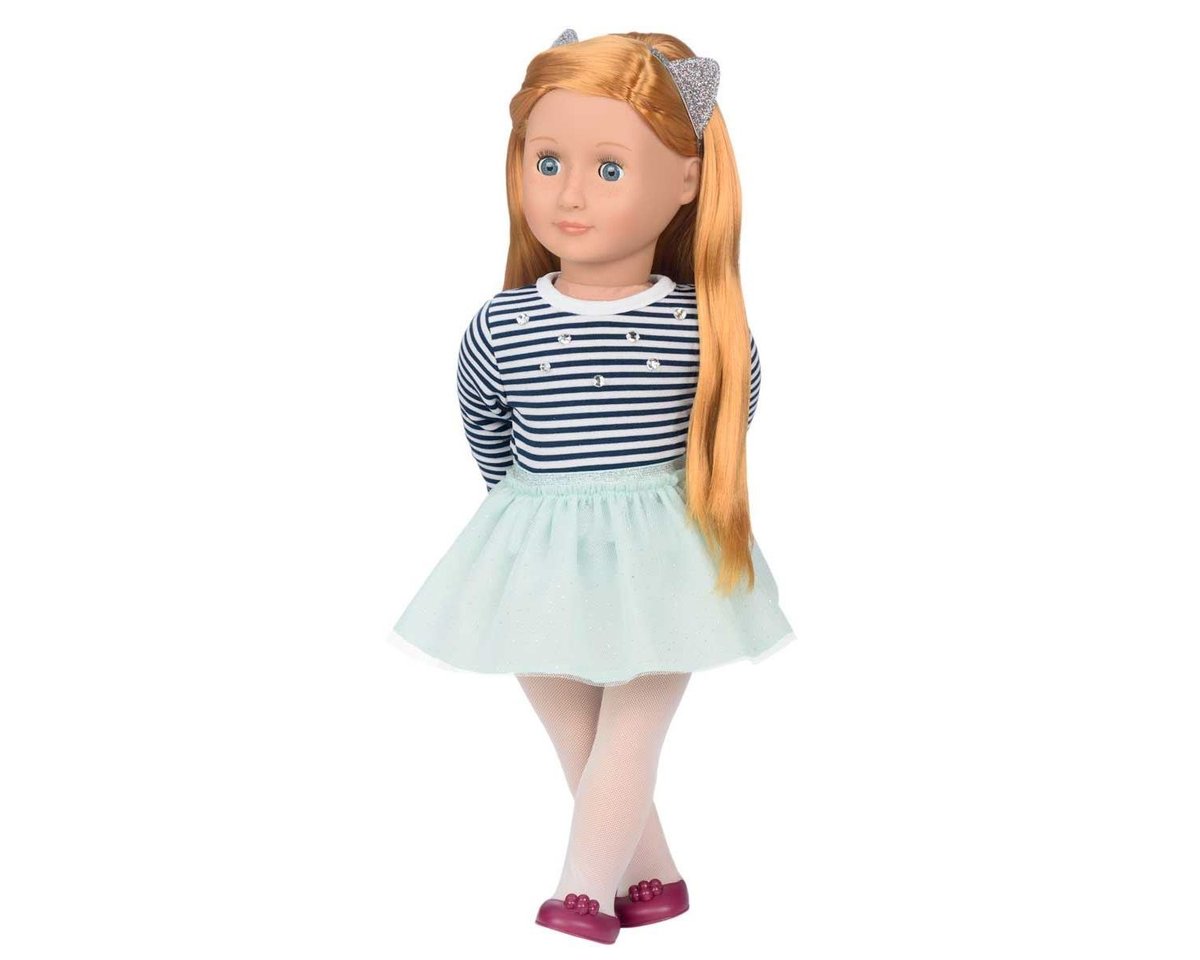
The world of miniatures, once a niche hobby often associated with quaint Victorian scenes, has exploded in popularity over the last decade. Suddenly, dollhouses are everywhere, captivating a diverse audience from seasoned collectors to a burgeoning cohort of digital natives and millennials. This surge in interest, driven significantly by social media’s visual power, offers a fascinating lens for Comparing Our Generation with Other Dollhouses, revealing not just playful diversions but profound reflections of our modern housing dreams and societal anxieties.
Beyond nostalgic playthings, today’s dollhouses – including popular lines like Our Generation – have become canvases for imagination, control, and surprisingly, a powerful commentary on real-world challenges. They are sanctuaries in miniature, designed with an eye toward contemporary aesthetics and an almost therapeutic ability to craft the perfect, albeit tiny, life.
At a Glance: The Modern Dollhouse Phenomenon
- Escapism & Control: In an unpredictable world, dollhouses offer a safe, controllable space for creativity and imaginative play, providing mental relief and joy.
- Housing Dream Substitute: For many millennials facing real estate challenges, dollhouses offer the satisfaction of designing and "owning" their ideal home.
- Evolution in Style: Forget rigid Victorian replicas; modern dollhouses embrace diverse architectural styles like mid-century modern, farmhouse, and even brutalism, often indistinguishable from real homes online.
- Digital-First Engagement: Social media platforms amplify the trend, turning miniature crafting into a global, 24/7 community.
- Developmental Benefits: For children, dollhouses, especially 18-inch scale models like those from Our Generation, foster critical cognitive, creative, motor, and social-emotional skills.
- Customization is Key: Modular designs, 3D printing, and extensive accessory options allow for unparalleled personalization, mirroring real-world interior design trends.
The Allure of the Miniature: Why We're Building Tiny Worlds
The escalating fascination with dollhouses and miniatures isn't just a fleeting trend; it's a profound cultural shift rooted in several compelling human needs. Think of it as a quiet rebellion against the overwhelming scale and complexity of modern life.
In an era marked by climate anxiety, social unrest, and political volatility, the appeal of a miniature world is clear: it offers a potent blend of escape and entertainment. During global lockdowns, many found solace in these tiny universes, meticulously crafting miniature furniture, food, and decor. This isn't just passive amusement; it's an active, immersive form of stress relief, allowing us to detach from the large, intractable problems of the real world and find joy in the manageable.
Perhaps the most compelling draw for a generation grappling with the realities of homeownership is the power of imagination and control. A dollhouse provides a blank slate for designing the home and life you truly desire. For millennials, the demographic most engaged with online miniature communities, dollhouses have become "a place where they can easily own a home." The satisfaction of curating a perfect 1:12 scale universe provides a sense of achievement and control that can feel elusive in the actual housing market. It's a bittersweet joy, creating dream homes on a tiny scale when the full-sized versions remain just out of reach.
From Cardboard Dream Houses to Contemporary Masterpieces: The Dollhouse Evolution
The dollhouse isn't a static concept. Its journey reflects evolving tastes, technological advancements, and shifting societal values. While traditionalists might still conjure images of intricate Victorian mansions, the modern dollhouse scene tells a much different story.
Early innovations hinted at this adaptability. Consider the iconic Barbie Dream House from 1962 – a simple, foldable cardboard structure, remarkable not just for its portability but for its distinct lack of a kitchen, bathroom, or nursery. It was a space designed purely for fantasy and aspiration, focusing on fashion and leisure rather than domesticity.
Today, the architectural styles are as diverse and sophisticated as full-sized homes. You'll find everything from sleek mid-century modern designs to charming shabby chic cottages, rustic farmhouses, and even edgy Brutalist structures. Social media, particularly platforms rich in visual content, is awash with hashtags like #moderndollhouse, showcasing designs so detailed and curated that it's often genuinely difficult to distinguish them from real-life interiors online. The advent of 3D printing has further pushed boundaries, allowing for custom, intricate furniture and architectural elements previously unimaginable. Even prestigious publications like House Beautiful recognized this trend, launching Dollhouse Beautiful in 2020 and challenging interior designers to apply their expertise to miniature scales.
These contemporary dollhouses, including the popular Our Generation doll house collection, are more than just toys; they are sophisticated design projects. They allow creators to experiment with aesthetics, materials, and spatial planning in a low-stakes environment, mirroring the very aspirations many have for their actual living spaces.
Our Generation, Our Dreams: The 18-Inch Dollhouse Phenomenon
When we talk about "Comparing Our Generation with Other Dollhouses," a significant part of the conversation naturally turns to the burgeoning market for 18-inch dollhouses. Driven by the immense popularity of dolls like American Girl and, of course, Our Generation, this segment has experienced a remarkable 15% growth in the last five years alone. These aren't just scaled-down versions of traditional dollhouses; they represent a distinct category with specific design considerations and profound impacts.
For many parents, these larger dollhouses offer more than just playtime; they are an investment in developmental growth. Engaging with these miniatures provides a wealth of benefits for children:
- Cognitive Boost: Manipulating small objects and designing spaces enhances problem-solving skills, critical thinking, memory, concentration, and spatial awareness. Children learn to plan, organize, and strategize within their tiny environments.
- Imaginative & Creative Play: Dollhouses are ultimate catalysts for storytelling, role-playing, and imaginative scenarios. Children invent narratives, develop characters, and explore different social dynamics, fostering creativity that extends far beyond the playroom.
- Fine Motor Skills: The act of dressing dolls, arranging furniture, and handling tiny accessories refines delicate hand-eye coordination and dexterity.
- Social & Emotional Growth: Through play, children develop nurturing skills, practice communication, and cultivate empathy. They learn about cooperation, sharing, conflict resolution, and emotional intelligence by enacting real-world situations in a safe, controlled setting.
- Therapeutic Value: For some children, the focused activity of dollhouse play can reduce stress and anxiety, offering a calming, engaging outlet. Achieving a desired setup also instills a sense of accomplishment.
- Educational Opportunities: Beyond the obvious, dollhouses can subtly introduce concepts like measurement, fractions (thinking in scale), and basic architectural principles.
However, this specialized market also presents its own set of challenges. The larger scale often translates to higher costs, and quality can vary significantly. Some products, while visually appealing, might be fragile or complex to assemble and maintain. The sheer size of an 18-inch dollhouse also demands careful consideration of available space within a home. Despite these hurdles, the demand for customizable and modular designs, often incorporating technological advancements, continues to rise, reflecting a desire for personalized and evolving play experiences.
More Than Play: Dollhouses as Reflectors of Real-World Aspirations
The comparison between "Our Generation" and previous iterations of dollhouses isn't merely about shifting aesthetics; it’s a reflection of deeper societal shifts and modern aspirations. Dollhouses are no longer just miniature replicas; they are aspirational blueprints, embodying current trends in home design, lifestyle, and even environmental consciousness.
Personalization as the Ultimate Luxury:
The ability to customize dollhouses, adding unique accessories, repainting walls, or even modifying layouts for accessibility, speaks volumes about our generation's desire for individuality. Gone are the days of one-size-fits-all playthings. Modern dollhouses empower creativity, encouraging owners (whether children or adults) to imbue their miniature spaces with their unique personality and evolving tastes. This mirrors the booming market for customizable real-world interiors, where homeowners crave spaces that truly reflect who they are.
Reflecting Architectural & Design Trends:
As evidenced by the variety of styles, from mid-century modern to farmhouse, dollhouses are surprisingly current with architectural trends. Designers are not just shrinking existing homes; they are conceiving new, cutting-edge miniature structures. The detail in these creations, from tiny potted plants to miniature artisanal coffee makers, showcases a collective yearning for beautifully designed, functional spaces. The American Girl Loft Apartment, for instance, famously featured a magnetic panel allowing for a view of the Twin Towers—a poignant detail that underscored how even playthings could reflect contemporary events and sensibilities, right down to the company sending out miniature newspapers after 9/11.
Sustainable & Mindful Living:
While not explicitly stated in all designs, the desire for quality, durable toys (with parents willing to pay more for them) can also subtly reflect a broader trend towards mindful consumption. Choosing well-made pieces that last, and can be passed down or repurposed, aligns with principles of sustainability that resonate strongly with younger generations.
The Desire for "Home" in an Unsettled World:
Ultimately, the most profound comparison is how these dollhouses serve as psychological anchors. For a generation that has come of age amidst economic instability, social upheaval, and environmental crises, the miniature home offers a profound sense of control and sanctuary. It's a place where perfection is attainable, where every detail can be curated, and where the outside world's chaos can be temporarily forgotten. It’s a tangible representation of the yearning for comfort, stability, and a personal haven.
Curating Your Miniature World: A Guide to Choosing an 18-Inch Dollhouse
Investing in an 18-inch dollhouse, whether for a child or a collector, requires careful thought. With the market's growth and diversity, making an informed decision ensures satisfaction and longevity. Here's what to consider:
- Space and Storage: These dollhouses are substantial. Before purchasing, measure your available space. Consider if the dollhouse will live in a dedicated play area, a bedroom, or a shared family space. Some models come with built-in storage, which can be a game-changer for keeping tiny accessories organized and the play area tidy.
- Durability and Quality: This is paramount for both safety and longevity. Look for high-quality materials like sturdy wood or robust, non-toxic plastics. Solid construction means the dollhouse can withstand years of imaginative play. A well-built dollhouse isn't just safer; it also inspires more immersive and imaginative play because it holds up to creative scenarios. Remember, 70% of parents are willing to pay more for high-quality, durable toys.
- Design and Features: Does the dollhouse's theme and architectural style resonate with the child (or collector)? Modern dollhouses offer a vast array of aesthetics—from sleek modern apartments to cozy cottages. Consider what features and accessories are included. Do they enhance the play experience? Interactive elements like working lights, sounds, or movable parts can add significant realism and engagement.
- Price and Value: Set a realistic budget, but understand that value isn't solely about the lowest price. A higher initial cost for a quality, durable, and feature-rich dollhouse often provides better long-term value than a cheaper, flimsy alternative that needs frequent repairs or replacement. Mid-range options typically fall between $50-$200, while luxury models can exceed $500.
- Brand and Reputation: Opt for manufacturers known for producing high-quality products and offering reliable customer service. Established brands often have better safety standards and more consistent product quality.
- Safety and Compliance: Always ensure the dollhouse meets relevant safety standards (e.g., CPSC in the US). Check for non-toxic materials, sturdy construction with smooth edges, and the absence of small, easily detachable parts that could pose a choking hazard for younger children. The dollhouse should also have a wide base and low center of gravity to prevent tipping.
Furnishing Fantasies: Picking the Perfect Pieces
Once you have the dollhouse, the real fun begins: furnishing it! Just like a real home, the interior design of a dollhouse brings it to life.
- Proportionality is Key: For 18-inch dolls, choose furniture scaled specifically for them. This might seem obvious, but mixing scales can disrupt the realism and play experience. Look for furniture sets designed for 18-inch figures to ensure everything fits harmoniously.
- Material Matters:
- Wood: Durable, classic, and often has a timeless appeal. Wooden furniture tends to be robust and can withstand years of active play.
- Plastic: Affordable, lightweight, and easy to clean. Modern plastics can be surprisingly detailed and come in a vast array of colors and styles.
- Fabric: Used for soft furnishings like sofas, beds, and curtains, fabric adds elegance, texture, and a sense of coziness.
- Accessories & Interactive Elements: These are the details that truly transform a dollhouse into a miniature home. Look for tiny kitchen appliances, miniature food items, decorative accents (rugs, lamps, artwork), and functional pieces like tiny books or working doors. Interactive elements—such as miniature lights that switch on, small sounds, or moving parts—elevate realism and make playtime even more engaging.
Building and Nurturing Your Tiny Home: Assembly, Maintenance & Customization
A dollhouse is not just a static object; it's a dynamic space that requires a little care and can evolve over time, much like a real home.
- Assembly: Always follow the assembly instructions carefully. Many modern dollhouses, especially the larger 18-inch models, can be complex to put together. Taking your time and enlisting help if needed ensures a sturdy and safe final product.
- Maintenance: Regular cleaning and inspection are vital. Dust your dollhouse periodically, and check for any loose parts, damage, or wear and tear. Promptly address any issues to maintain safety and prolong its lifespan. Store the dollhouse in a dry, cool place away from direct sunlight or extreme temperatures, which can damage materials.
- Customization: This is where the dollhouse truly becomes yours. Adding new accessories, repainting rooms, installing miniature wallpaper, or even modifying existing structures can dramatically enhance engagement and satisfaction. If modifying for accessibility (e.g., adding ramps for dolls with mobility aids), always keep safety guidelines in mind, ensuring modifications are stable and free of hazards. Customization allows the dollhouse to grow with a child's imagination or a collector's evolving aesthetic, reinforcing the sense of control and personal expression that makes miniatures so appealing to our generation.
The Price of Dreams: Understanding Dollhouse Investments
When considering the cost of dollhouses, especially the larger 18-inch models, it's helpful to categorize expectations:
- Basic Models: Expect to pay around $20-$50. These are typically simpler, smaller, and often made from less durable materials like cardboard or basic plastic. They offer entry-level play but may lack extensive features or durability.
- Mid-Range Options: Most 18-inch dollhouses, including many from popular brands, fall into the $50-$200 range. These often feature sturdier construction (wood or higher-quality plastic), more detailed designs, and may include some basic furniture or accessories. This category offers a good balance of quality and affordability.
- Luxury & Premium Designs: For $200-$500+, you'll find larger, highly detailed, often wooden dollhouses with sophisticated architectural styles, extensive features (like working lights), and premium furniture sets. These are built to last, offer significant play value, and often become cherished heirloom items.
As previously noted, a significant majority of parents (70%) are willing to invest more for high-quality, durable toys. This indicates a recognition that while the upfront cost might be higher, the longevity, safety, and enhanced play experience offered by a well-made dollhouse provide superior value over time. It's an investment in imaginative play, skill development, and a tangible piece of childhood memory.
Crafting a World of Possibility
Comparing Our Generation with other dollhouses reveals a fascinating narrative of evolution, aspiration, and the enduring human need for control and creativity. These aren't just toys; they are miniature canvases reflecting our dreams, addressing our anxieties, and allowing us to build perfect worlds, one tiny detail at a time. Whether you're a parent seeking developmental benefits for your child or an adult finding solace in a meticulously curated miniature space, the modern dollhouse offers a unique blend of imagination, design, and emotional resonance. So go ahead—explore the tiny architectures, furnish the miniature rooms, and embrace the profound satisfaction of crafting your own world, however small.